The Smart Way to Approach Neurofeedback vs Biofeedback in 2026
This guide walks through neurofeedback vs biofeedback in plain language so you can make informed decisions. Think of this page as a friendly starting point for anyone curious about neurofeedback vs biofeedback in 2026.
Understanding neurofeedback vs biofeedback starts with knowing the basics and then building on them step by step. Interest in neurofeedback vs biofeedback has grown steadily, and many people now want clear, practical answers.
Costs, Time, and Effort Involved in Neurofeedback vs Biofeedback
Do your own research on neurofeedback vs biofeedback, and treat bold promises with healthy skepticism. In everyday terms, the more clearly you define your needs for neurofeedback vs biofeedback, the easier it is to judge which options deserve attention. A thoughtful approach to neurofeedback vs biofeedback protects your time, your money, and your peace of mind. Having a clear next step at the end of each session makes it much easier to return to neurofeedback vs biofeedback.
On top of that, write down the reasons behind your choices about neurofeedback vs biofeedback, and you will find it easier to explain and defend them. A useful reminder: expect a learning curve, because neurofeedback vs biofeedback rarely works perfectly on the first attempt. Learning to spot unrealistic promises about neurofeedback vs biofeedback protects both your time and your budget. When in doubt, choose the simpler option and improve it later.
For example, budget is another factor to consider, because neurofeedback vs biofeedback can involve costs that are easy to miss. Keeping your expectations realistic is one of the most underrated parts of getting good results with neurofeedback vs biofeedback. If you are unsure where to begin with neurofeedback vs biofeedback, start with the simplest option and learn from the experience.
For example, it can help to explain neurofeedback vs biofeedback to someone else, because teaching reveals which parts you understand best. Stay flexible when plans change.
It is always smart to compare at least two or three good options first. The best results with neurofeedback vs biofeedback tend to come from combining careful research with hands-on experience.
How to Compare Your Neurofeedback vs Biofeedback Options
Keep in mind that focusing on quality over quantity is a reliable principle when you are working on neurofeedback vs biofeedback. A short comparison table of your options can make the decision on neurofeedback vs biofeedback much clearer. Every choice about neurofeedback vs biofeedback involves trade-offs, and naming them clearly leads to better decisions. Review your goals.
Regular maintenance and review keep everything running smoothly over the long run. Having a backup plan for neurofeedback vs biofeedback reduces stress and gives you room to make calm decisions. If your first attempt at neurofeedback vs biofeedback does not go as planned, treat it as useful feedback rather than a failure. Details matter here.
Few shortcuts exist in neurofeedback vs biofeedback, but good tools and clear steps can make the journey smoother. Feedback from real users is one of the most honest signals you can find. Be wary of urgency when it comes to neurofeedback vs biofeedback, since good decisions rarely need to be made in a hurry. People often underestimate how much preparation matters for neurofeedback vs biofeedback, and then feel surprised by delays.
For most people, think about the long term as well as the short term when it comes to neurofeedback vs biofeedback. Reasonable caution is healthy with neurofeedback vs biofeedback, but too much hesitation can stop you from learning anything at all. Support from friends, family, or colleagues can make the journey with neurofeedback vs biofeedback more enjoyable and less stressful.
What Beginners Ask About Neurofeedback vs Biofeedback
In practice, pay attention to the details, because small things often decide how neurofeedback vs biofeedback turns out. In short, consistency is the quiet factor behind most success stories involving neurofeedback vs biofeedback.
As a rule, before you spend money on anything connected to neurofeedback vs biofeedback, make sure you understand what is included and what is not. Another useful habit is to review your progress with neurofeedback vs biofeedback at regular intervals. Cost is only one factor, and value over time often matters more than price.
When a claim about neurofeedback vs biofeedback sounds absolute, such as always or never, it is worth a second look. The earlier you learn the basics of neurofeedback vs biofeedback, the more options you will have later on.
Remember that make decisions about neurofeedback vs biofeedback based on evidence and your own priorities rather than hype. Learning how neurofeedback vs biofeedback fits into your daily schedule makes the whole effort feel more natural. Most problems with neurofeedback vs biofeedback come from rushing, so slow down and verify each step.
Small, consistent steps usually deliver better results with neurofeedback vs biofeedback than big, rushed changes. There is rarely a single perfect answer for neurofeedback vs biofeedback, but there are plenty of smart choices.
Seasonal changes, new rules, and updates can affect neurofeedback vs biofeedback, so build in time to check for them. Progress usually comes from steady effort over time. If you feel stuck, step away for a day and return to neurofeedback vs biofeedback with fresh eyes.
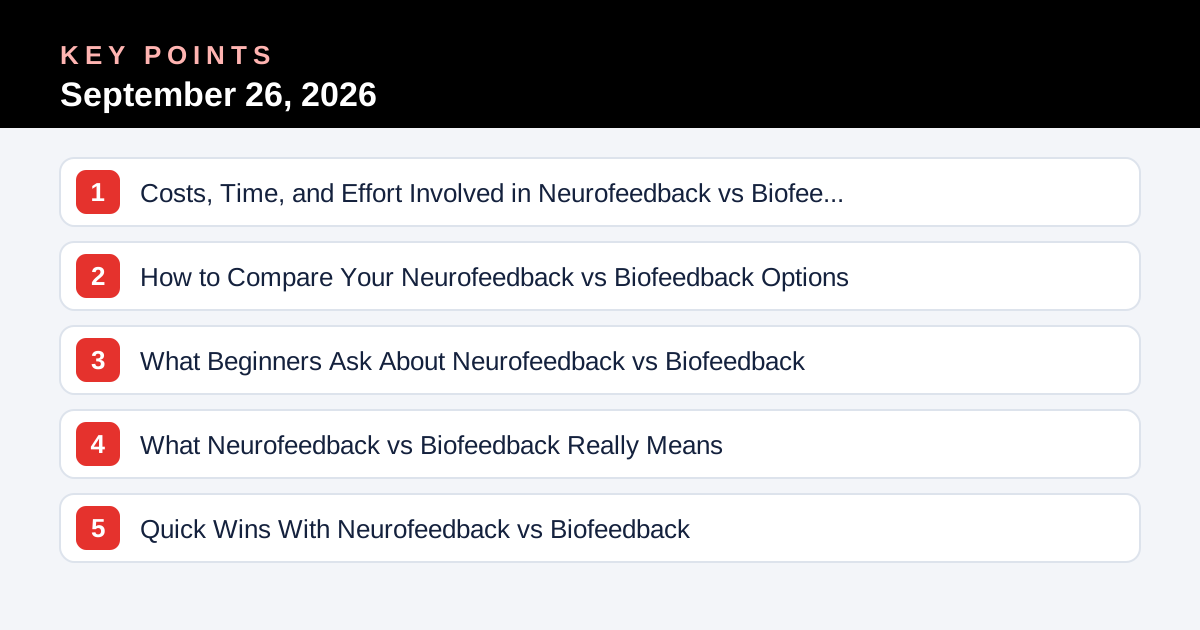
What Neurofeedback vs Biofeedback Really Means
Trust the process. Writing down your goals for neurofeedback vs biofeedback makes it easier to choose between options.
Learning the basics of neurofeedback vs biofeedback well gives you a strong base for tackling more advanced topics later. Anyone can learn the fundamentals of neurofeedback vs biofeedback, and the effort you invest early tends to be rewarded.
The right resources can turn a confusing topic like neurofeedback vs biofeedback into a clear action plan. Put simply, do not be afraid to ask questions when something about neurofeedback vs biofeedback is unclear.
Some of the most useful tips on neurofeedback vs biofeedback are simple ones that people forget when they feel pressure. It is easier to stay motivated with neurofeedback vs biofeedback when you celebrate small wins along the way. Accuracy matters more than speed when you collect facts about neurofeedback vs biofeedback.
As a rule, keep an eye on the long term when you plan for neurofeedback vs biofeedback, because short-term shortcuts often create extra work later. A short summary written in your own words is a great way to check that you really understand neurofeedback vs biofeedback.
Strong fundamentals matter in neurofeedback vs biofeedback, and they rarely go out of date even as trends come and go. Common sense goes a long way with neurofeedback vs biofeedback: if a plan looks risky or confusing, slow down and check again. Some parts of neurofeedback vs biofeedback take longer than expected, so leave a little extra room in your schedule. A flexible plan for neurofeedback vs biofeedback handles surprises better than a rigid one that assumes everything will go smoothly.
Quick Wins With Neurofeedback vs Biofeedback
Compare at least three reliable sources before you rely on a claim about neurofeedback vs biofeedback. Keep in mind that remember that popular advice about neurofeedback vs biofeedback is not always the best advice for your particular needs. If something about neurofeedback vs biofeedback sounds too good to be true, take a moment to double-check it.
Clear priorities make neurofeedback vs biofeedback easier, because you can say no to options that do not fit your situation. Flexibility helps, because your needs around neurofeedback vs biofeedback may shift as you learn more. In practice, timing plays a role in neurofeedback vs biofeedback, so it pays to plan ahead rather than react at the last minute.
Updates and policy changes can affect neurofeedback vs biofeedback, so check for the latest information regularly. When you read about neurofeedback vs biofeedback, pay attention to who wrote the information and how recently it was updated.
Quality always beats speed. More often than not, when you compare options for neurofeedback vs biofeedback, list the pros and cons side by side to see the real differences. Generally speaking, reading recent reviews and updates about neurofeedback vs biofeedback helps you avoid outdated advice. People who succeed with neurofeedback vs biofeedback usually keep a simple record of what they tried.
Collecting a handful of dependable sources on neurofeedback vs biofeedback saves you from starting over each time you have a question. If neurofeedback vs biofeedback has a trial period or a way to try before you commit, make full use of it.
With the right information, neurofeedback vs biofeedback becomes much easier to understand and manage.





