What Is Sound Healing? A Clear Overview for 2026
The goal of this article is to give you a balanced, useful look at sound healing. If sound healing is on your mind, a calm look at the key ideas can help you decide what to do next.
Everyone starts somewhere with sound healing, and a clear overview makes the first steps far less intimidating. This article collects practical, easy-to-follow pointers about sound healing for readers who value clarity over hype.
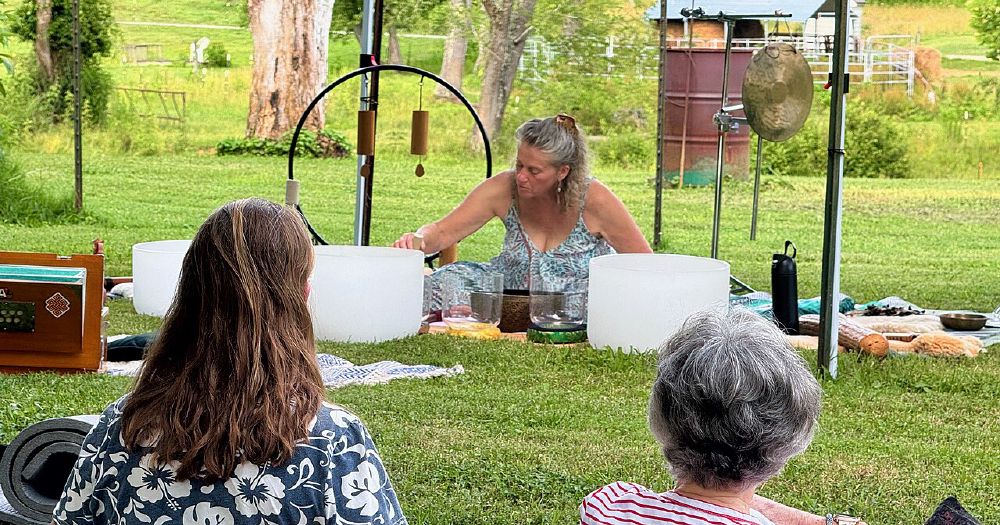
Tools and Resources for Sound Healing
A good first step with sound healing is to write down what you already know and what you still need to find out. Over time, writing a simple plan for sound healing takes only a few minutes and makes every later step easier. Real progress with sound healing rarely looks dramatic on any single day, but it is easy to see over a few months.
Identify the single biggest obstacle you face with sound healing and tackle that one first. Double-check everything important. Learning the basics of sound healing well gives you a strong base for tackling more advanced topics later. Look at sound healing from the perspective of someone who is just starting, and you will notice what to explain clearly.
The right resources can turn a confusing topic like sound healing into a clear action plan. A thoughtful approach to sound healing protects your time, your money, and your peace of mind.
Just as important, remember that sound healing is only one part of a bigger picture, so give it the attention it deserves and no more. One more thing: do not be afraid to ask questions when something about sound healing is unclear.
Even small improvements to your routine around sound healing add up to a noticeable difference after a few months. Treat any shortcut for sound healing with care, and make sure you understand what you may be giving up.
Stay curious. A short summary written in your own words is a great way to check that you really understand sound healing. A well-organized plan turns a long list of tasks into manageable steps.
How to Compare Your Sound Healing Options
Some of the most useful tips on sound healing are simple ones that people forget when they feel pressure. A simple checklist can keep sound healing on track and stop small details from slipping through the cracks. Never stop learning. Over time, your own notes on sound healing will become one of the most useful references you have.
- Different regions and situations can change the details of sound healing, so check what applies where you live.
- Experts often point out that it can help to explain sound healing to someone else, because teaching reveals which parts you understand best.
- There is rarely a single perfect answer for sound healing, but there are plenty of smart choices.
- In practice, beginners often benefit from a guided approach to sound healing rather than trial and error.
- Many people find that talking through their plan for sound healing out loud reveals gaps they had missed.
- More often than not, reliable sources on sound healing usually cite where their information comes from and invite you to check it.
In short, reading the fine print is tedious, but it is one of the smartest habits you can build around sound healing. People often underestimate how much preparation matters for sound healing, and then feel surprised by delays.
It helps to separate the essentials of sound healing from the extras, so you can focus on what actually moves the needle. Taking breaks and reviewing your notes often leads to better decisions. Whenever you update your approach to sound healing, note the date and the reason so you can learn from the change. A tidy workspace and a clear routine make sound healing easier to stick with from week to week.
How Sound Healing Works in Practice
Different people need different things from sound healing, so a plan that works for a friend may not suit you. Remember that every situation is different, so adapt general advice to your own case. Because sound healing keeps evolving, today's best practice may look different a year from now.
A trustworthy guide will tell you what it does not know as well as what it does. A positive but realistic mindset makes it easier to keep going with sound healing when progress feels slow. Be patient.
Make a habit of asking why before you accept a rule of thumb about sound healing. Reliable information about sound healing should be specific, current, and easy to verify.
Some parts of sound healing take longer than expected, so leave a little extra room in your schedule. Breaking sound healing into small tasks makes the whole effort feel lighter and easier to schedule. Learning from other people's experience with sound healing can shorten your own learning curve.
Remember that do not let perfectionism slow down your progress with sound healing, since a good start beats a perfect plan. Learning from people who have already tried sound healing can shorten your learning curve considerably.
It is worth comparing several sources before you commit to anything related to sound healing. Think about the long term as well as the short term when it comes to sound healing. Time spent on research at the start of sound healing often saves far more time during the later stages.

Who Should Consider Sound Healing
As a rule, take care not to compare yourself too closely with others when you work on sound healing, as everyone starts somewhere different. In everyday terms, official documentation is the safest place to confirm the facts about sound healing. Experts generally recommend starting small with sound healing and expanding once you feel confident. Accuracy matters more than speed when you collect facts about sound healing.
In many cases, learning how sound healing fits into your daily schedule makes the whole effort feel more natural. Remember that popular advice about sound healing is not always the best advice for your particular needs. Support from friends, family, or colleagues can make the journey with sound healing more enjoyable and less stressful. Compare at least three reliable sources before you rely on a claim about sound healing.
Typically, cost is only one factor, and value over time often matters more than price. Look for clear and current information.
Patience is a real advantage. Each situation is different, so adapt the advice to your needs. The best approach to sound healing is usually the one that fits your own situation and goals.
One more thing: another useful habit is to review your progress with sound healing at regular intervals. Look for transparent explanations of sound healing rather than vague claims. Small, consistent steps usually deliver better results with sound healing than big, rushed changes.
The Key Benefits of Sound Healing
As a rule, testing on a small scale first reduces risk and teaches you what to expect. Before you spend money on anything connected to sound healing, make sure you understand what is included and what is not. On top of that, thoughtful planning turns sound healing from something stressful into something manageable.
Anyone can learn the fundamentals of sound healing, and the effort you invest early tends to be rewarded. That small detail makes a difference. Avoid making big commitments related to sound healing until you understand the terms.
Put simply, setting small deadlines for different stages of sound healing helps you keep moving without feeling rushed. Staying organized with sound healing frees up energy for the parts that need creativity and judgment. Many experienced users suggest starting sound healing with a modest scope and expanding only when things go well. It is worth noting that ask yourself what a successful outcome with sound healing would look like, and work backward from that picture.
Pay attention to the details, because small things often decide how sound healing turns out. On top of that, many people overlook the basics of sound healing, even though the basics drive most outcomes.
Try to learn from mistakes related to sound healing without dwelling on them, because every attempt teaches something. Remember that when in doubt, choose the simpler option and improve it later. On top of that, when sound healing involves other people, clear communication prevents most misunderstandings before they begin.
Use what fits your situation, leave what does not, and keep learning about sound healing at your own pace.





